At peak right now: Apples, Pumpkins, Winter Squash, Sweet Potato. Head to a farmers market or your CSA to find them fresh.
Sometime in late July the corn at the farm stands shifts from a novelty to an abundance, and that's the moment to think about your freezer. Shuck the ears, cut the kernels off the cob with a sharp knife, spread them on a sheet pan for an hour, then bag them. The whole process takes maybe fifteen minutes per half dozen ears, and in February you'll have sweet corn that tastes closer to August than anything at a grocery store. It doesn't require a canner or a water bath or any equipment you don't already own.
The same logic applies to tomatoes and berries. Core a Roma or a Brandywine, drop it in a zip-lock bag, and freeze it whole. When you pull it out in January it will be soft and suitable for sauce, soup, or stew, not for a salad, but that's fine because that's what winter cooking calls for anyway. Strawberries and blueberries freeze well with almost no effort, and if you pick your own at a place like Larriland Farm in Woodbine you can come home with a flat for what you'd spend on a few pints at retail. Buying in volume at a farm stand works the same way. A bushel of peaches from a roadside stand in Frederick County or a flat of seconds from a vegetable farm will cost a fraction of what you'd pay by the pound, and the seconds are usually just as good for anything cooked or preserved.
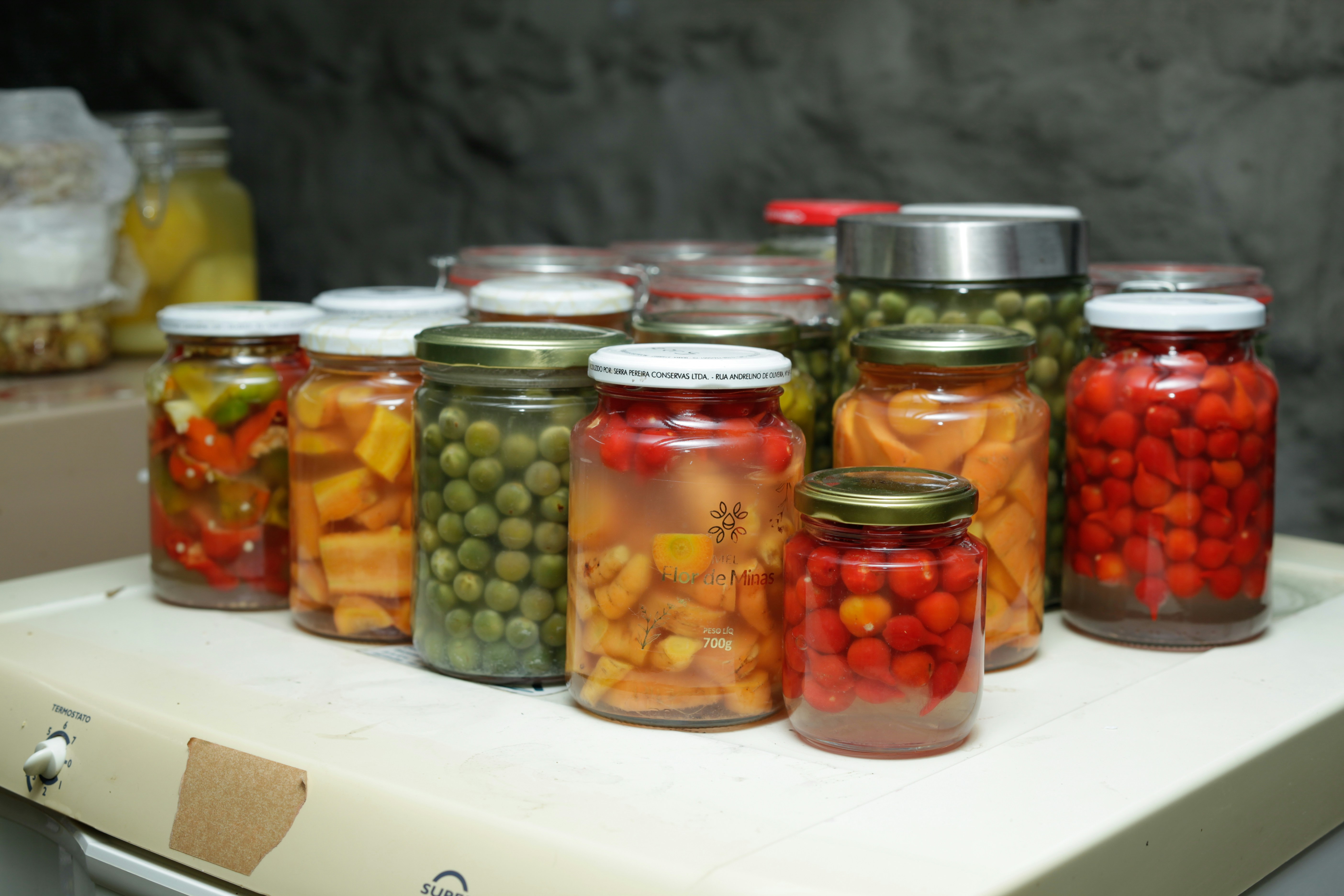
Fermentation has a lower barrier than most people expect. Sauerkraut is shredded cabbage and salt left to sit in a jar. Lacto-fermented cherry tomatoes or green beans require nothing more than salt water, a clean vessel, and a few days at room temperature. The results keep for months in a cool spot and the flavor changes in ways that are hard to get otherwise. If you have a CSA share that's been heavy on cabbage or green tomatoes late in the season, fermentation is a reasonable answer to the surplus. Canning proper, with a boiling water bath or a pressure canner, takes more commitment and equipment, but apple butter is a good entry point because it's forgiving and the Eastern Shore and Western Maryland both have the apples for it in October. Distillery Lane Ciderworks in Jefferson, Baugher's in Westminster, and a dozen roadside stands will have seconds and drops at prices that make a big batch affordable.
Some produce doesn't preserve well and it's not worth the trouble of pretending otherwise. Cucumbers turn mushy when frozen. Zucchini goes soft and watery. Most lettuces are finished the moment they're cut and there's no saving them. The vegetables that respond best to preservation tend to be the ones that are also cheapest at peak, which is a convenient overlap. The window for corn is a few weeks, for tomatoes a little longer, for peaches shorter than it feels. Missing it one year is easy to do, which is why it helps to think about it before the stands are fully stocked.
A few producers worth knowing about this week.
Running year-round on Saturday mornings in Baltimore's Waverly neighborhood, the 32nd Street Farmers Market has earned its reputation as one of the city's most enduring community gathering spots. Vendors bring a rotating mix of seasonal produce, fresh-baked bread, local cheese, and cut flowers, making it a reliable one-stop for a week's worth of good eating. Doors open at 7 AM, so early risers get first pick.
Set in an 11,000-square-foot former schoolhouse on Colton Point Road in Bushwood, Hillside Farmer's Market brings together a wide range of St. Mary's County vendors across three days each week. Shoppers can browse local honey, jams, and fresh baked goods alongside handcrafted jewelry, painted furniture, and nautical decor, with food trucks rounding out the experience. Saturday hours start as early as 8 a.m., making it a reasonable morning outing for southern Maryland locals.
Kent Island Crab Co. in Pasadena has been a reliable stop for Chesapeake seafood year-round, carrying live and steamed crabs in sizes from small males up through extra large, plus female crabs when available. Shrimp comes fresh-thawed or frozen in 5-pound boxes, with counts ranging from large 26-30 to jumbo 16-20, raw or steamed. Call ahead at 410-437-2155 to catch the daily specials before you make the drive down Mountain Road.
Open since 1846, Cross Street Market is one of the oldest public markets in the country, anchoring the Federal Hill neighborhood where Light Street meets South Charles. The indoor food hall runs a full city block and draws a steady mix of locals, game-day crowds, and anyone in search of Baltimore seafood without the tourist markup. Stop in for carryout or stay to eat , it's open daily for both.
Know a farm, market, or maker we're missing?
Submit a Listing